 English
 Español
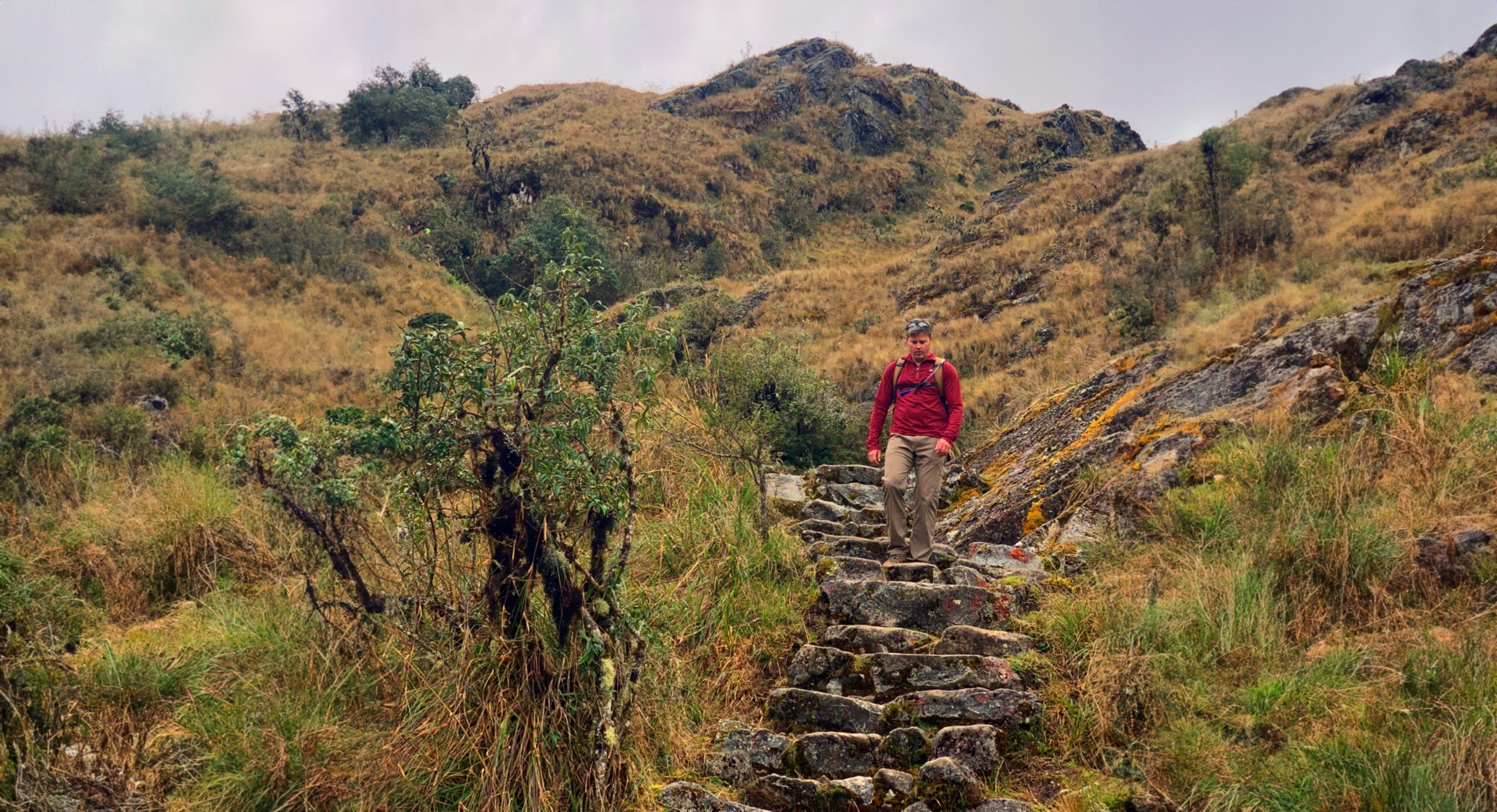
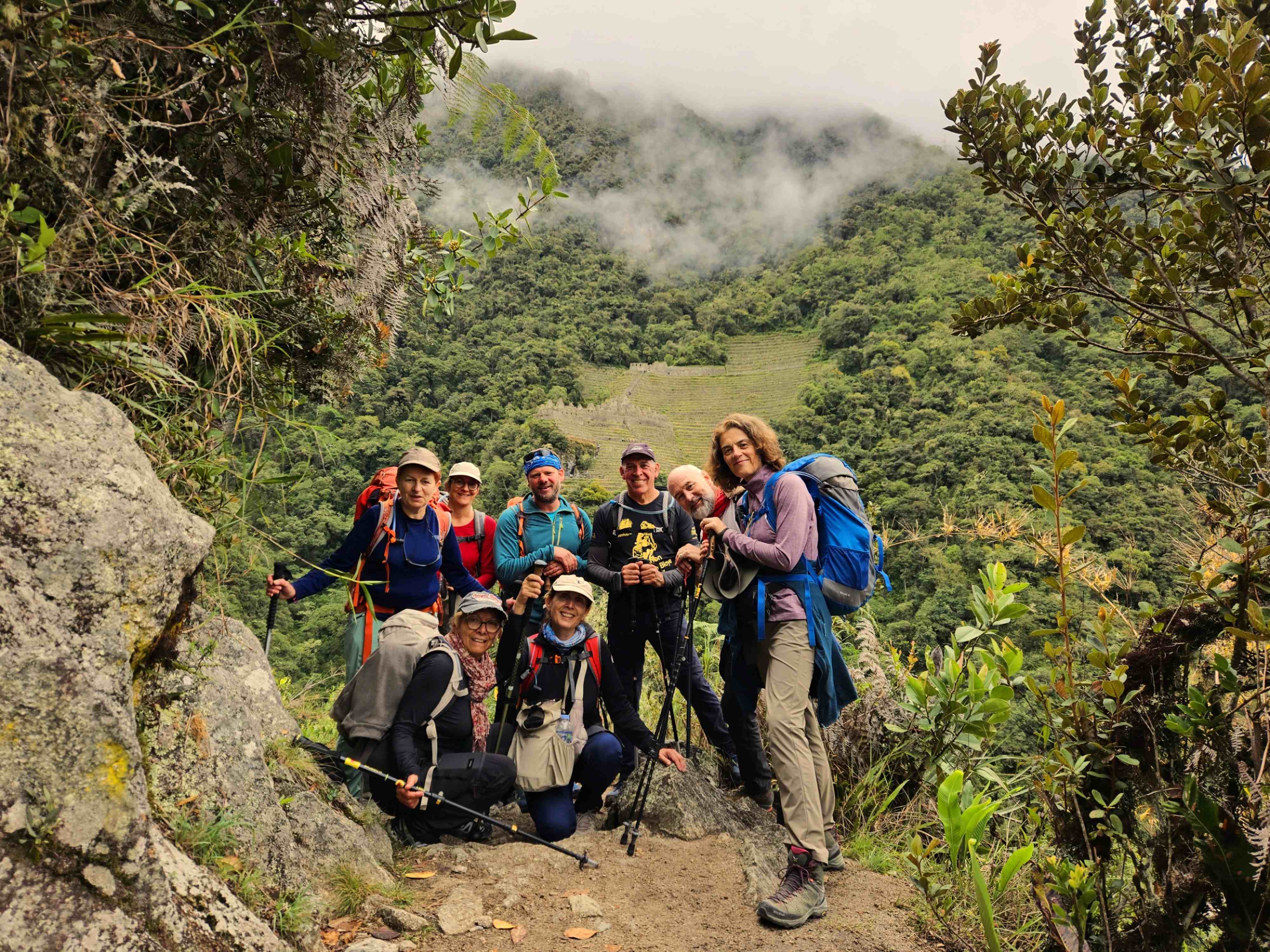
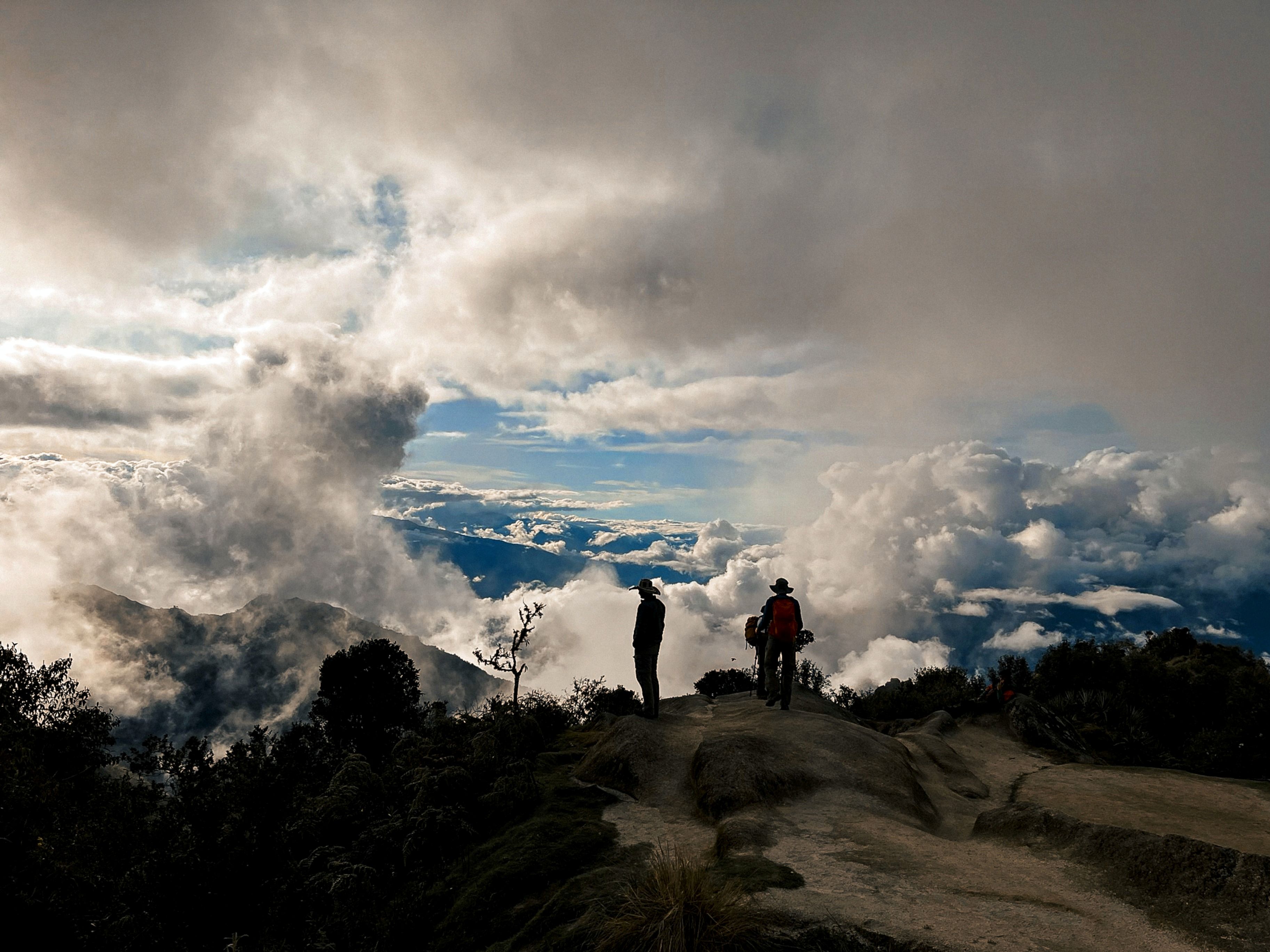
Experience the legendary 4-day Inca Trail, an adventure that combines nature, history, and excitement on one of the world's most iconic paths. Explore stunning Andean landscapes and exclusive archeological sites as you follow the ancient paths built by the Inca civilization, until you reach the majestic citadel of Machu Picchu. With small groups and personalized attention, this tour will allow you to enjoy each stage of the Inca Trail with the time needed to appreciate its natural, cultural, and historical richness.
Why choose this experience with us?
Small groups and guaranteed departures: The trip is organized in groups of a maximum of 15 people, so you can enjoy a more authentic experience throughout the journey. Additionally, departures are confirmed from 4 passengers, giving you the flexibility to plan your adventure with complete confidence.
Luggage of up to 5 kg during the hike: A porter will carry up to 5 kg of your luggage during the four days of the Inca Trail, allowing you to walk more comfortably and fully enjoy the experience.
Porters and cooks: Our team is made up of local porters and cooks with extensive experience on the Inca Trail, committed to providing quality service, safety, and an authentic and unforgettable experience.
Professional guide throughout the tour: From the pick-up at your hotel to the end of the experience, you will have the continuous support of our professional guide. He will be able to resolve each of your doubts, as well as provide you with historical information and safety throughout the entire journey.
Enjoy the Inca Trail and Machu Picchu at your own pace: Enjoy an itinerary designed to explore both the Inca Trail and Machu Picchu at a leisurely pace, appreciating their landscapes, history, and cultural richness.
Quality food and travel equipment: Food is provided throughout the entire hike, and we also have a portable filtration system where you can refill your reusable bottle at different points during the hike.
Itinerary summary:
Day 1: Cusco – Ollantaytambo - Piscacucho (Km 82) - Patallacta - Wayllabamba The tour begins in the city of Cusco, from where we will travel to kilometer 82 of the railroad, the starting point of the hike. Along the way, you will enjoy stunning landscapes and visit incredible archeological sites of the Inca Trail, such as Patallacata, before reaching the Wayllabamba campsite.
Day 2: Wayllabamba - Warmiwañusca Pass - Pacaymayo
The second day is marked by the challenge of overcoming the Warmiwañusca pass, the highest point of the trek, before descending into the magical valley of Pacaymayo.
Day 3: Runkurakay - Sayacmarca - Phuyupatamarca - Intipata - Wiñay Wayna On this day, one travels between history and nature, visiting impressive Inca archeological sites such as Runkurakay, Sayacmarca, and Phuyupatamarca, all the way to the spectacular Wiñay Wayna campsite.
Day 4: Wiñay Wayna - Intipunku - Machu Picchu - Aguas Calientes - Ollantaytambo - Cusco The last day begins with the unforgettable sunrise from the Intipunku gate, the place that welcomes you to Machu Picchu. At night, we return to the city of Cusco.
Technical data:
Walking distance:
Day 1: 10 km. / 6.21 miles.
Day 2: 16 km. / 10 miles.
Day 3: 14 km. / 8.70 miles.
Day 4: 5 Km. / 3.10 miles. to Machu Picchu.
Walking time:
Day 1: Approximately 5 hours.
Day 2: Approximately 7 hours.
Day 3: Approximately 7 hours.
Day 4: Approximately 2 hours to Machu Picchu + 2 hours with the group visiting Machu Picchu.
Maximum altitude:
Day 1: Wayllabamba: 3,000 m a.s.l. / 9,843 feet
Day 2: Warmihuañusca 4200 m / 13779 feet
Day 3: Runkurakay 3900m / 12795.28 feet
Day 4: Wiñay Wayna 2680 m / 8792 feet
Minimum altitude:
Day 1: Vilcanota River 2700 m.a.s.l / 8858.27 feet
Day 2: Pacaymayo 3550 m / 11646 feet
Day 3: Wiñay Wayna 2680 m / 8792 feet
Day 4: Machu Picchu 2400m / 7872
Difficulty level:
Day 1: Easy
Day 2: Moderate
Day 3: Moderate
Day 4: Easy
Temperature:
Day 1: 18°C to 20°C during the day / 5°C to 8°C
Day 2: 13°C to 23°C during the day / 12°C to 4°C
Day 3: 15°C to 22°C during the day / 0°C to 5°C
Day 4: 20°C to 24°C during the day / 2°C to 5°C
Calendar
Highlighted tour spots
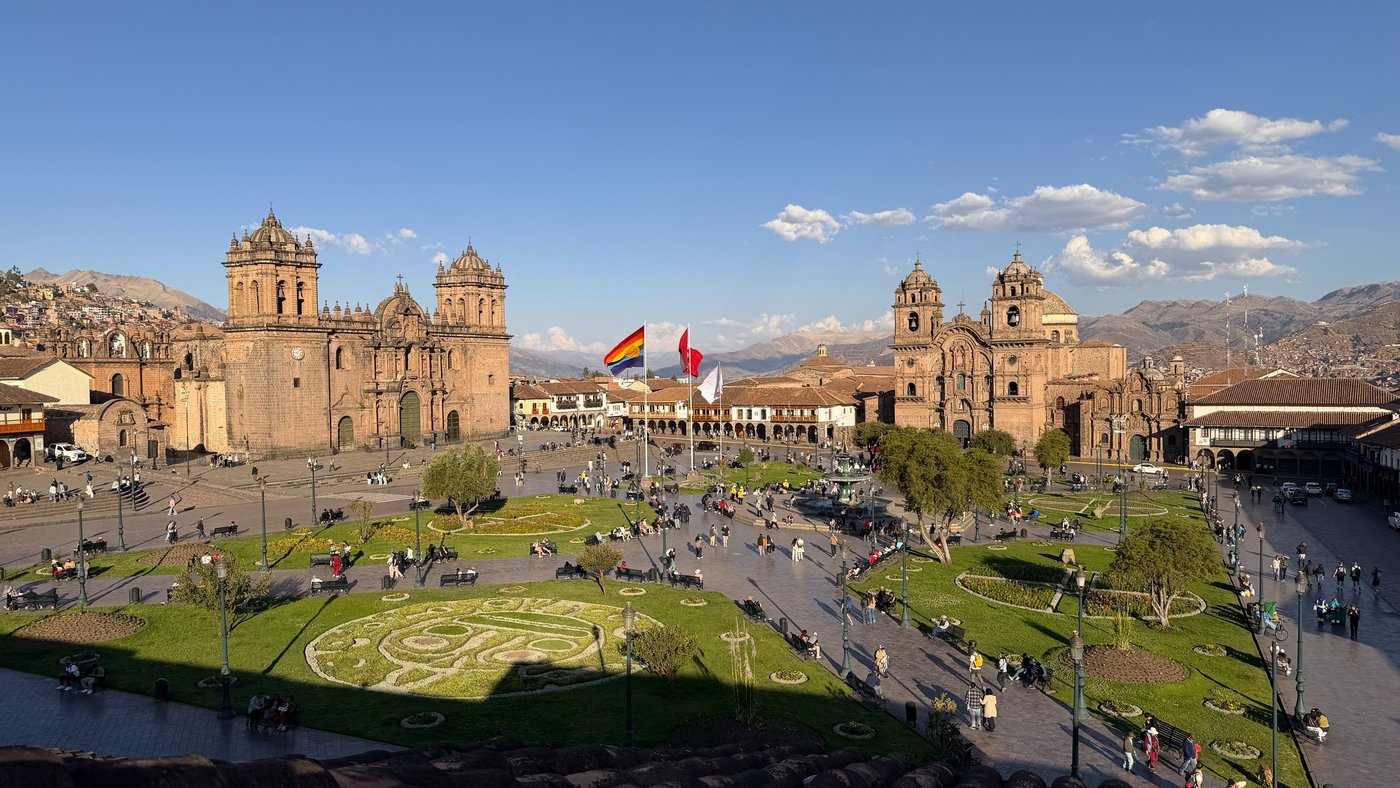
Cusco (Imperial City or Qosqo): Also known as the navel of the world, it was the capital of the Tawantinsuyu empire. Currently, it combines colonial architecture with the Inca historical legacy.
Piscacucho (Km 82): Official starting point of the Classic Inca Trail to Machu Picchu, where you will pass through a rural village appreciating magical landscapes.
Huillca Raccay: Ancient archeological site with a strategic control function and impressive views of the valley.
Llactapata (Patallacta): Important Inca agricultural and urban complex located next to the Urubamba River valley.
Wayllabamba: Beautiful Andean valley surrounded by vegetation, and it is also the first campsite of the Inca Trail.
Warmihañusca (Dead Woman's Pass): The highest and most challenging point of the route, at over 4200 meters above sea level.
Pacaymayo: Valley surrounded by Andean mountains where one of the most important camps of the route is located.
Runkurakay: Semi-circular archeological center that served as a watchtower and resting place during the Inca era.
Sayacmarca: Impressive pre-Hispanic citadel built on the mountain, surrounded by agricultural terraces and deep abysses.
Phuyupatamarca: Known as the "City above the Clouds," it stands out for its ceremonial fountains and panoramic views of the surrounding nature.
Intipata: A set of agricultural terraces dedicated to cultivation and the harnessing of solar energy.
Wiñay Wayna: Popularly known for its impressive steep agricultural terraces, it offers one of the most stunning views along the route next to archeological sites.
Intipunku (Sun Gate): Since the Inca era, this has been the main access to the citadel of Machu Picchu. Additionally, it offers the first panoramic view of the wonder of the world.
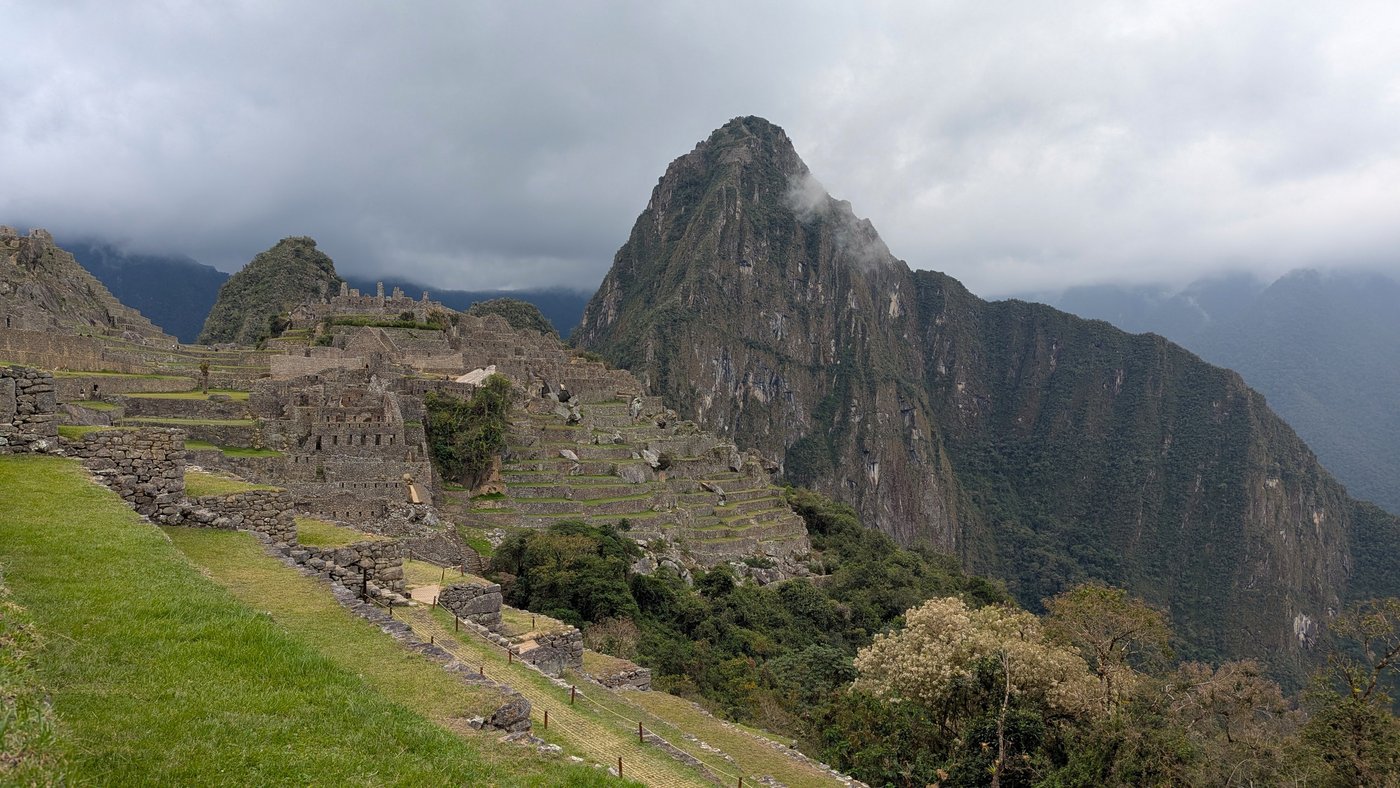
Machu Picchu: Ancient Inca citadel considered one of the main resting residences of the Inca elite. It was also an important sanctuary and astronomical center located amidst tropical mountain landscapes.
Aguas Calientes (Machu Picchu town): Main center of tourist services and gateway to Machu Picchu. Here you will find the train station, as well as various attractions that complement the travel experience.
Ollantaytambo: A historic town that preserves the original layout from the Inca era. It has an impressive archeological site and a wide range of tourist services.
DAY 1: Cusco - Piscacucho (Km 82) - Patallacta - Wayllabamba
The 4-day Inca Trail tour begins early with pick-up from your hotel in Cusco, around 5:00 a.m., and then heads to Ollantaytambo. The journey takes approximately an hour and a half. Upon arriving in Ollantaytambo, we will head to km 82, the first checkpoint where the Classic Inca Trail begins, which we will reach around 9:30 a.m. In this place, the group will meet all the staff in charge of the tour.
This is how one of the most famous treks in the world begins. The trail starts at an altitude of 2720 meters above sea level / 8923 feet. After crossing the Vilcanota River, you will begin to discover the culture, traditions, and customs of the town of Piscacucho, along with a complete connection with nature. The first day is considered an adaptation stage, ideal for getting familiar with the path and enjoying the first landscapes of the route. During the journey, you will be able to appreciate the imposing Verónica snow-capped mountain (5893 meters above sea level), one of the most important mountains in the Cusco region, whose magical presence opens the doors to the heart of the Andes.
The route continues to Willkaraqay, an archeological site located among the mountains. Thanks to the guide, you will also be able to understand why the Incas built their most important structures in such places. From here, you can see the impressive site of Patallacta (also known as Llaqtapata) and, in the background, the snow-capped peak of Verónica. Next, the path will continue to Tarayoq, where the first lunch will be served. After a brief rest, the journey will continue to Wayllabamba, a green and temperate valley (3000 meters above sea level / 9842 feet) that will be the overnight stop for the day, where temperatures hover around 5 °C. In the evening, dinner will be shared, a good opportunity for travel companions to get to know each other better.
Hiking distance:
Day 1: 10 km / 6.2 miles
Walking time:
Day 1: approximately 5 hours. Maximum altitude:
Wayllabamba - 3000 m a.s.l. / 9842 feet
Minimum altitude:
Vilcanota River - 2700 m / 8858 ft
Difficulty level:
Easy
Temperature:
18 °C to 20 °C during the day / 5 °C to 8 °C at night
DAY 2: Wayllabamba – Warmiwañusca Pass – Pacaymayo
The exploration of the second day begins early, because waking up in the Andes is such a magical experience that it deserves to be lived at least once in a lifetime. After breakfast, the group will walk until they reach Llulluchapampa, where there will be a brief stop to rest, hydrate, and regain energy. Subsequently, the ascent will continue to the Warmiwañusca pass (4215 meters above sea level), also known as "the dead woman," a landscape where temperatures drop. From there, a gradual descent begins along ancient stone steps to the Pacaymayo camp, where you will spend the night.
The nights in the Andes allow you to appreciate starry skies, a magical setting that you can enjoy after each day of the adventure.
Walking distance:
Day 2: 16 km / 10 miles
Walking time:
Day 2: approximately 7 hours. Maximum altitude:
Warmiwañusca - 4200 m a.s.l. / 13779 feet
Minimum altitude:
Pacaymayo - 3550 m a.s.l. / 11646 feet
Difficulty level:
Moderate
Temperature:
13 °C to 23 °C during the day / 4 °C to 12 °C at night
DAY 3: Pacaymayo - Chaquicocha - Wiñay Wayna
The third day begins with a comforting breakfast in the morning. After a few brief coordinations, the group will ascend to Runkurakay, a strategic and supply location during the Inca era. After a brief visit, the group will continue to the second step of the journey, the Runkurakay pass. In this place, the descent toward Sayacmarca begins, an important astronomical site recognized for its semicircular shape and its windows arranged in different positions. At this point, the hikers can recharge with the energy of the Andes and its mysticism. Following the Qhapaq Ñan (Inca roads), one arrives at the Chaquicocha lagoon, the chosen place for lunch.
The journey continues to Phuyupatamarca (3650 meters above sea level), from where wide valleys crossed by the Vilcanota River can be observed. The landscapes are surrounded by lush vegetation and a wide diversity of typical fauna of the area. In Phuyupatamarca, extensive terraces stand out, where Inca engineering allowed the cultivation of various products at high altitudes and with different microclimates. This place is also important for its water sources that functioned as purification centers, considered among the most outstanding hydraulic works of the Inca Trail.
Continuing along the route, the next destination will be Intipata (place of the sun), one of the most important agricultural centers on the route. Thanks to its orientation, this place receives abundant sunlight, and additionally, due to the area's humidity, it favors the production of prominent crops such as corn and potatoes. At the end of the day, the group will arrive at the Wiñay Wayna campsite, an impressive archeological site known for its vertical agricultural terraces adapted to the mountain. This place is also home to one of the most emblematic flowers of the Andes: the orchid. At night, a delicious dinner is shared, which also serves as a farewell to the camping team that accompanied the group during the journey.
Walking distance:
Day 3: 14 km / 8.7 miles
Walking time:
Day 3: approximately 7 hours. Maximum altitude:
Runkurakay - 3900 m a.s.l. / 12795 ft
Minimum altitude:
Wiñaywayna - 2680 m.a.s.l. / 8792 feet
Difficulty level:
Moderate
Temperature:
15 °C to 22 °C during the day / 0 °C to 5 °C at night
DAY 4: Wiñay Wayna - Machu Picchu - Aguas Calientes - Ollantaytambo - Cusco The last day of this extraordinary adventure, the group will wake up very early to enjoy breakfast and head to the Wiñay Wayna checkpoint, from where a light hike of approximately 2 hours to Intipunku (Sun Gate) begins. This is one of the most anticipated moments of the Inca Trail, as from here you get the first and unforgettable panoramic view of Machu Picchu emerging among the mountains along with the morning mist.
If weather conditions permit, hikers can watch as the first rays of the sun gradually illuminate the Inca citadel, in a unique scene reserved only for those who arrive at Machu Picchu via the Inca Trail.
Subsequently, the journey will continue for another 30 minutes until reaching the Inca citadel of Machu Picchu. The path will continue through the panoramic sector, where the Guardian's House is located, the best spot to capture the most iconic photographs of the wonder of the world. Next, we will descend to take the guided tour of Circuit 3B, which covers the main plazas, platforms, temples, water channels, and ceremonial enclosures, while the guide narrates details of the history, architecture, and legacy of the Inca civilization.
At the end of the guided tour, the group will descend to the town of Aguas Calientes to board the train to Ollantaytambo. Upon arrival, a private transport will be waiting for us to return to the city of Cusco, thus concluding an unforgettable adventure full of history, nature, and culture.
Hiking distance:
Day 4: 5 km / 3.1 miles to Machu Picchu
Walking time:
Day 4: Approximately 2 hours to Machu Picchu, plus 2 hours for a guided tour of the citadel.
Maximum altitude:
Wiñay Wayna - 2680 m a.s.l. / 8792 feet
Minimum altitude:
Machu Picchu - 2400 m a.s.l. / 7872 feet
Difficulty level:
Easy
Temperature:
20 °C to 24 °C during the day / 2 °C to 5 °C at night
Guaranteed permits and tickets
Official permit for the Classic Inca Trail
Once the reservation is confirmed, the official Inca Trail permit is immediately processed. Due to the limited availability of spaces, it is recommended to book several months in advance. The permits are personal, non-transferable, and do not allow date changes once issued.
Ticket to enter Machu Picchu
Access Piscacucho Km 82 - Route 1 | Inca Trail (Patallacta - Wayllabamba - Warmiwañusca Pass - Pacaymayo - Chaquicocha - Wiñay Wayna - Inti Punku). It is the main access point for the 4-day Inca Trail: it traverses ancient Inca paths, stunning mountain landscapes, cloud forests, and various exclusive archeological complexes such as: Patallacta, Runkurakay, Sayacmarca, Phuyupatamarca, and Wiñay Wayna. The adventure culminates at Inti Punku (Sun Gate), from where you get the first and unforgettable panoramic view of Machu Picchu.
Assigned campsites
First day: camp at Wayllabamba.
Second day: campsite at Pacaymayo.
Third day: campsite at Wiñay Wayna.
Note: the assigned campsites are subject to the official distribution established by the Ministry of Culture.
Fourth day | Inca Trail – Circuit 1 (Inti Punku - panoramic view)
The journey continues toward the great Sun Gate, the main access to the wonder of the world Machu Picchu and its classic panoramic view from the Guardian's House.
Fourth day | Machu Picchu – Circuit 3, Route 3B (terraces, plazas, temples, Inca channels, llamas) Tour of the lower part of the citadel, where Inca architecture can be appreciated in all its splendor: agricultural terraces, urban area, Temple of the Sun (exterior view), House of the Inca, Sacred Plaza, ceremonial fountains, Temple of the Condor, and the deep connection with Pachamama.
Accompaniment and security
Pre-tour informational meeting
One day before the start, an executive meets with the traveler to review all the program details and resolve any questions, so they can enjoy the adventure without worries from the very beginning.
Bilingual professional guide (Spanish and English)
We have a select team of guides highly trained in safety, history, culture, and tourism. Rest assured that your guide will accompany you from Cusco, traveling on the same train from Ollantaytambo to Km 104, the starting point of the hike. Thus ensuring assistance, guidance, peace of mind, and safety throughout the entire journey.
High-quality camping equipment
Dining tent, kitchen tent, tables, chairs, utensils, and cooking equipment, all transported by the porter team.
5 kg of personal luggage included
You will receive a duffel bag where you can carry up to 5 kg of personal luggage, including a sleeping bag and daily use items, which will be transported by our team of porters throughout the entire route.
First aid kit and oxygen tank
The safety of the passengers is a priority. The guides receive continuous training in first aid to ensure timely care in case of any eventuality on the road.
Waterproof cover for backpack
We provide you with a waterproof cover to protect your belongings from the sun, rain, or any eventuality during the hike.
24/7 Customer Service
Our support will be available at all times, from start to finish in the adventure. We have an emergency number you can call whenever you need it.
Rest and comfort
3 nights of camping in tents for 2, 3, or 4 people depending on the group configuration.
A good rest is essential during the adventure, which is why spacious, comfortable, and mountain-condition-resistant tents are used, providing a safe and comfortable space at each campsite.
Sleeping pad
Includes an insulating sleeping pad for greater comfort during camping nights. All the equipment is transported by the porter team.
Canvas bag (duffel bag):
As part of the service, we provide you with a canvas bag specially designed for the Classic Inca Trail, where you can organize up to 5 kg of personal luggage. This will be carried by our support staff, allowing you to enjoy the hike in a more comfortable and lighter way.
Nutrition
Food and water
3 breakfasts, 3 lunches, and 3 dinners prepared by the mountain kitchen team, with vegetarian, vegan, and gluten-free options at no additional cost.
Water refill
Supply of boiled, filtered, and cooled water from the first lunch to the last breakfast. It is recommended that each traveler bring their own reusable bottles (approximately 3 liters).
Coca tea upon waking
Every morning at the camp, a cup of coca tea is offered in the tent before starting the day.
Tea time
Every day during the walk.
Private tourist transfers
Day 1: Transfer from the hotel in Cusco to Ollantaytambo and then to Piscacucho (Km 82), the starting point of the Inca Trail.
Day 4: Bus ride down from Machu Picchu to the town of Aguas Calientes.
Day 4: Transfer from the Ollantaytambo train station to Cusco (Plaza Regocijo).
Train journey
Day 4: Tourist train from Aguas Calientes to Ollantaytambo.
WHAT DOES IT NOT INCLUDE?
Sleeping bag: it is important to have one to rest and recharge for the next day. Those who do not have one can rent it. Rental cost: 20.00 USD.
Trekking poles: provide stability and support during ascents and descents, reducing effort throughout the journey. Rental cost: 15.00 USD.
Meals not mentioned: Day 1, breakfast; Day 4, lunch and dinner.
Travel insurance (recommended): For greater peace of mind during your trip, we recommend purchasing insurance that provides coverage for unforeseen events such as flight cancelations or delays, loss or delay of luggage, illnesses, accidents, trip interruptions, loss of tourist services due to delays, as well as medical assistance and personal protection throughout your entire adventure.
Tips: Optional.
Additional expenses due to causes beyond the agency's control: Adverse weather conditions, itinerary modifications for safety, illness, changes in government policy, political instability, strikes, or other similar circumstances.
The Inca Trail does not operate during the month of February. Since it is the most intense rainy season of the year, the route closes for maintenance and officially reopens on March 1st. It is recommended to plan the trip starting in March to ensure the best experience.
2026 Tour Price
Group price: the amount indicated by your travel advisor from 2 people.
Advance payment required: 300.00 USD per person.
The balance is usually paid in Cusco after the briefing.
Student discount - 25.00 USD
Applies to students aged 18 to 25 with a physical university ID (full name, photo, and expiration date). It is necessary to send a copy of the ID and the passport at the time of booking. ISIC cards, virtual certificates, and photos of the ID are not accepted.
To take the first step toward adventure, simply check availability with the sales executive and request a personalized quote.
Most important things you should consider bringing on the 4-day Classic Inca Trail Mandatory documents Original valid passport (mandatory to enter the Inca Trail and Machu Picchu) Valid physical student card (if you booked with a student rate) Recommended luggage Lightweight trekking backpack of 50 to 65 liters with a waterproof cover, to carry only the essentials during the hike.
Reusable water bottle, which you can refill during the hike.
Your main luggage can stay in Cusco, at your hotel, or in our secure storage; just take what you need for the hike.
Clothing and footwear
Waterproof hiking boots with a good non-slip sole
Lightweight and breathable clothing for trekking (preferably made of technical materials, avoid cotton) 1 Waterproof jacket or rain poncho Warm clothing, the down jacket is very cold at night.
2-3 moisture-wicking t-shirts
2-3 pairs of trekking or hiking pants
4 pairs of hiking socks
4 sets of underwear
Hat or cap for the sun
Sunglasses
A special set for your photographs in Machu Picchu
Personal items
Sunscreen (the radiation is intense at this altitude)
Insect repellent
Personal medication
Basic personal first aid kit
Wet wipes or toilet paper
Hand sanitizer
Energy snacks (chocolate, nuts, energy bars)
Cash in soles and small bills, for tips, drinks, and souvenirs
Equipment and extras
Camera or cell phone
Portable charger / power bank
Trekking poles with rubber tips (mandatory to avoid damaging the trail; they can be found in Cusco if you don't bring them) Money: we suggest carrying cash and always keeping it protected inside a waterproof bag along with your personal documents.
Important considerations
We recommend acclimatizing for at least 2 days in Cusco before the hike.
Pack light: the less weight you carry, the more you will enjoy the experience.
Aguas Calientes has a humid and warm climate, typical of the cloud forest. It is normal to perceive a certain level of humidity in the rooms, even in hotels of different categories and with ventilation systems or dehumidifiers.
Always keep your documents and valuables with you during the entire walk.
IMPROVE YOUR EXPERIENCE (UPGRADES)
Entry to Wayna Picchu – 70.00 USD per person
Add one of the most exclusive hikes in Machu Picchu and enjoy stunning panoramic views from the famous Wayna Picchu Mountain. Spaces are very limited, so we recommend booking at least 5 months in advance.
Private guide for Wayna Picchu or Machu Picchu Mountain – 75.00 USD per group Explore every detail of your additional hike accompanied by an expert guide who will enrich the experience with exclusive information and personalized attention.
Upgrade to Vistadome Train (return) – USD 45.00 per person
Experience a unique return journey on a panoramic train with large side and top windows that allow you to enjoy the stunning Andean landscapes. Includes onboard snacks and a fashion show of garments made with alpaca fiber, providing an unforgettable experience.
Upgrade to Vistadome Observatory Train (return) – 66.00 USD per person
Say goodbye to your trip to Machu Picchu by enjoying the most exclusive train with large panoramic windows, onboard snacks, and a parade of alpaca garments. Additionally, it offers access to the exclusive outdoor observatory car and live music to enjoy the spectacular landscapes.
1 Additional Night at a Superior Hotel in Aguas Calientes – Inquire about the rate Improve your rest with 4 or 5-star category hotels and enjoy a more comfortable and exclusive stay.
Trekking poles – 15.00 USD per pair
To have better stability and comfort during the hike, trekking poles are recommended, especially for routes with stairs and slopes.
Extra porter (7 kg) - 90.00 USD.
It must be reserved in advance and is subject to the availability of permits for porters.
Extra porter (14 kg) - 160.00 USD.
It must be reserved in advance and is subject to the availability of permits for porters.
Air inflatable mattress - 25.00 USD.
How far in advance is it recommended to book the Classic Inca Trail 4 days?
It is recommended to book as early as possible: ideally, 8 months in advance and, at a minimum, 6 months in advance during the high season (from April to October). This is because the State strictly limits the number of people authorized to enter the Inca Trail: daily permits are granted only for 200 hikers, in addition to support staff and porters. For this reason, we recommend booking the Inca Trail experience as far in advance as possible, as soon as you have your travel dates confirmed.
What is the best time of year to do the Classic 4-Day Inca Trail?
The climate in the Andean region is marked by two seasons: the dry season (from April to October) and the rainy season (from November to March). Please note that, despite being the rainy season, in a single day there can be a cloudy sky and even a lot of heat. . The Inca Trail opens from the first day of March each year until the end of January. Nowadays, tourists from all over the world come to visit Machu Picchu 365 days a year. The months with the highest influx of tourists are from April to September. Machu Picchu is located on the edge of the jungle, so its climate is warm and humid. The temperatures range between 8 °C and 20 °C. It is advisable to bring clothing for both cold and warm weather.
How to know if this tour is the right choice?
The Classic Inca Trail 4 days covers one of the best-preserved sections of the original path built by the Incas. Due to high demand and the limited number of permits, not all travelers manage to secure a spot for this experience. The hike is designed for all types of travelers, couples, groups of friends, and families, but it requires prior physical preparation, good physical condition, a strong desire to walk, and the ability to move independently during the journey. It is recommended to stay at least one or two days in Cusco before starting the route to aid in altitude acclimatization.
What are the main differences between the Inca Trail and the Salkantay route?
The Inca Trail requires permits with mandatory advance reservation due to the limitation of daily slots, making it a more exclusive and sought-after route. The Salkantay route, not requiring a special permit, offers greater availability and date flexibility. Salkantay also offers better accommodation options along the route and sanitary services in the camps, and includes one night in a hotel in Aguas Calientes before entering Machu Picchu; on the Classic Inca Trail, on the other hand, entry to the citadel is made directly from the camp. Regarding the cost, the Inca Trail is higher due to the price of the permits, while the Salkantay is more accessible without sacrificing the quality of the experience. Regarding the level of difficulty, the Inca Trail is slightly more demanding, although both routes require good physical condition and prior acclimatization in Cusco. Entry to Wayna Picchu or Machu Picchu Mountain has an additional cost and requires separate tickets.
From what age is it recommended to travel with children and until what age can adults participate?
The hike is recommended for children from the age of 8 who are used to walking and outdoor activities. In the case of adults, there is no maximum age limit: many travelers between 60 and 70 years old or older, and even older, successfully complete the route. Even so, it is advisable to have a prior medical evaluation and travel insurance that covers hiking and medical emergencies. Beyond age, the most important thing is to have an adequate physical condition to walk for several hours. For those traveling with children or elderly adults, it is suggested to consider the private service, which allows you to proceed at your own pace, spend more time with the guide, and make extended stops at the most interesting places.
How many passengers are in the shared group?
The Inca Trail must be a unique experience, which is why we work with small groups of a maximum of 15 passengers. Departures are guaranteed from 4 people. If there are no other passengers on the chosen date, the trip will still take place: groups are never shared or transferred with other agencies, ensuring the adventure is 100% guaranteed. Those traveling alone or with 2 to 3 people can request to join a shared group that we have scheduled, although it is subject to availability. For more information, you can write to info@sakuraexpedition.com.
Why does the Inca Trail close in February?
The Inca Trail is a highly sought-after route that requires annual maintenance. This work is carried out in February, the month with the heaviest rains, and the route officially reopens on March 1st.
How many days in advance should you arrive in Cusco to acclimate?
To fully enjoy the adventure and prevent altitude sickness, it is recommended to arrive in Cusco at least 2 days in advance. During that time, it is possible to organize acclimatization activities, such as a half-day city tour of Cusco or a full-day excursion to the Sacred Valley. Those coming from another high-altitude area in Peru may only need 1 full day in Cusco to rest before starting the hike.
How difficult is the Classic 4-Day Inca Trail?
The difficulty is considered moderate. The second day is the most demanding due to the ascent to the Warmiwañusca pass, at over 4200 meters above sea level. With proper acclimatization and a steady pace, most travelers complete the route without any issues.
How many kilometers and hours are walked per day?
The complete route covers approximately 45 kilometers (28 miles), spread over days of between 5 and 7 hours of walking, depending on the group's pace, weather conditions, and stops for rest and archeological visits.
At what altitude does the hike start and what is the maximum altitude?
The route starts in the Piscacucho area (Km 82), at 2720 meters above sea level (8923 feet).
The highest point is the Warmiwañusca Pass or Dead Woman's Pass, at 4200 meters above sea level (13,779 feet), which is reached on the second day of the hike.
Is travel insurance mandatory?
It is not mandatory, but it is highly recommended for greater peace of mind. A good insurance can provide assistance in case of unforeseen events such as lost luggage, cancelations, illnesses, health issues, loss of tours due to delays, strikes, or natural disasters during the trip.
Does the traveler receive information before departing?
Yes. One day before departure, a detailed briefing session is provided with the guide, which can be either group or personal, at the traveler's hotel.
Can the passport number be changed after booking?
The State only allows changing the passport number if a copy of the new and the previous one is presented. If the previous passport is no longer available, any official identification document is accepted, as long as the name matches. Additionally, it is advisable to ensure that the passport does not expire within the six months following or during the trip.
How to get to Cusco?
Most travelers arrive in Cusco by air. The Cusco airport only operates domestic flights, so those arriving from abroad via Lima must collect their luggage there and check it in again for the flight to Cusco. Several airlines cover the Lima - Cusco route with similar schedules; LATAM or Avianca are often recommended for their greater formality in case of cancelations or unforeseen delays.
Does it include breakfast on the first day before starting the hike?
It does not include the first breakfast, so it is recommended to request a box breakfast at the hotel or have breakfast during the scheduled stop in Ollantaytambo before continuing to Piscacucho (Km 82).
What clothing and equipment are recommended?
Comfortable and lightweight clothing, adapted to the Andean climate. Among the most important: trekking shoes with good support and grip, quick-drying pants, waterproof clothing or a rain poncho, an appropriate backpack, a hat or cap, trekking poles for the uphill and downhill sections, insect repellent, sunscreen, and a camera with a charged battery.
Do the porters carry my personal luggage and sleeping bag?
Yes. Our team of porters will carry up to 5 kg of personal luggage per passenger, including the sleeping bag. This luggage will travel with the porters' team and will be available at each camp.
If you want a porter to carry additional exclusive-use luggage during the hike, you can hire a personal porter with a capacity of up to 14 kg. This service has an additional cost and must be booked in advance to ensure its availability.
14 kg porter: 160.00 USD.
What size backpack is recommended if the traveler is carrying all their luggage?
If the traveler decides to personally carry all their clothes, personal items, and sleeping bag, a trekking backpack between 50 and 65 liters, with good lumbar support and adjustable straps, is recommended. It is advisable to pack only what is necessary, as the backpack will be carried throughout the entire journey, including demanding ascents like the one at Warmiwañusca. For greater comfort, it is suggested to hire a porter: in that case, your belongings will travel along with the camping equipment.
7 kg porter: 90.00 USD. 14 kg porter: 160.00 USD.
How many people fit in a tent?
Tents for 2 and 4 people are available. If two travelers wish for an exclusive tent, it is enough to indicate it at the time of booking, at no additional cost. Individual tents are available upon prior request and at an additional cost.
Is it necessary to bring trekking poles?
Trekking poles are always useful for hikers and are recommended for this walk. There is a large number of stairs carved by the Incas that you will have to descend. They vary in height and are not all straight. Using poles can help relieve pressure on the knees while traversing this part of the trail, and they will also be helpful on the uphill sections. For those who bring their own, make sure to have rubber tips; otherwise, the park rangers will not allow you to use them.
Is it allowed to bring drones or GoPro cameras?
Machu Picchu and the Inca Trail are protected by the Peruvian State and UNESCO, so it is not allowed to bring or fly drones. The use of GoPro cameras or small cameras is allowed.
Can you do the Inca Trail as a vegetarian or vegan?
Yes. The kitchen team prepares vegetarian, vegan, and gluten-free options at no additional cost.
It is important to inform dietary preferences or restrictions at the time of booking for proper meal planning.
How long does the visit to Machu Picchu on day 4 with Circuit 3B last?
On the fourth day, a guided tour of approximately 2 to 3 hours is conducted through Machu Picchu, during which the professional guide shares the history, architectural details, and secrets of the Inca citadel.
How do strikes or blockades affect the itinerary? Is there a contingency plan?
External factors such as strikes, protests, or blockades can alter schedules or itinerary services.
The operations team conducts constant monitoring to offer timely solutions. In the event of any eventuality, alternatives, schedule adjustments, alternate routes, or rescheduling are coordinated in accordance with the Ministry of Culture's provisions, always prioritizing the traveler's safety. Since some changes may incur unforeseen additional costs, it is recommended to have travel insurance.
What happens if a traveler feels unwell during the tour?
If a passenger experiences altitude sickness, exhaustion, or any other issue, the guide immediately assesses the situation and provides assistance. Depending on the passenger's condition and the point of the route, the return is coordinated via the safest route or with the assistance of the relevant authorities (Ministry of Culture, SERNANP, and the High Mountain Division of the National Police of Peru). The objective is to act quickly and responsibly to ensure the safety of each traveler.
Are there restrooms and showers during the trip?
Yes. Along the route, there are sanitary facilities managed by the Ministry of Culture at the main camps and checkpoints, and the team also installs a portable toilet exclusively for passengers at the authorized camps. Some camps have cold water showers; for added convenience, the team provides hot water each day for personal hygiene.
Is there cell phone or internet signal during the hike?
The coverage is limited. The first day, there is usually signal from most operators until around 10:30 a.m.; after that, it disappears for most of the route. Bitel users may have signal in some areas for a longer time, even near the first campsite. In elevated areas and camps like Wayllabamba and Llulluchapampa, it is possible to pick up signals from some companies, although it is not guaranteed. It is recommended to inform family and friends that for much of the hike, there may be no communication.
Can electronic devices be charged during the hike?
There are no electrical charging points on the route, so it is recommended to bring a fully charged portable battery (power bank) to keep your phone, camera, or other devices operational during the four days.
Can you spend an additional night in Aguas Calientes?
Yes. If the traveler takes the same train scheduled in the original itinerary (usually at 18:20), there is no additional charge. If securing the hotel or another visit to Machu Picchu is required, this incurs an additional cost. To spend one more night in Aguas Calientes, it is necessary to inform the Sakura Expedition office at least one month in advance, so that the train ticket can be purchased for the correct date.
Can I cancel the 4-day Inca Trail and request a refund of my deposit?
Unfortunately, no. Due to the fact that the Inca Trail requires the advance purchase of permits, tickets, and train tickets, the deposit or guarantee paid to confirm the reservation is non-refundable and non-transferable.
We recommend consulting with your sales executive for the specific cancelation conditions and deadlines applicable to your reservation before making any modifications.
What happens if I don't get a permit for the Inca Trail?
Permits are assigned on a first-come, first-served basis and usually sell out several months in advance. If there is no availability for the requested date, our team will offer you alternative dates or alternative trekking routes to Machu Picchu, such as Salkantay or the Short 2-day Trail.
What is the booking process like?
Step 1 - Availability inquiry: write to info@sakuraexpedition.com to check dates. A reservation form will be sent that each participant must complete.
Step 2 - Passenger Information: to manage the permits, the following are required as they appear in the passport: full name, gender, passport number, date of birth (dd/mm/yyyy), and nationality. Without this information, it is not possible to obtain permits or tickets.
Step 3 - Deposit and confirmation: upon receiving the forms, a deposit of 200.00 USD per person is requested to proceed with the purchase of permits.
Step 4 - Final confirmation: once the permits are secured, the traveler receives the official confirmation invoice and the reservation is guaranteed 100%.
How is the outstanding balance paid?
The balance is paid in cash (US dollars or soles) during the briefing in Cusco or in the days prior.
Can you leave your luggage at the office?
Yes. During the hike, the main luggage can be stored free of charge at the office or the traveler's hotel.
Do you give tips?
Tipping is part of the tradition of every hike to Machu Picchu. Although the team receives fair compensation, any additional gratuity is always appreciated. It is not mandatory and should never feel like an imposition.
Why choose Sakura Expedition for your trip?
Sakura Expedition is a 100% Peruvian company specialized in adventure and cultural tourism in the Cusco destination. We have a team of certified guides, porters, and operational staff committed to providing unique, safe, and high-quality experiences.
We are distinguished by responsible and sustainable tourism, respect for local communities, and personalized attention in every service. Backed by our tourism quality certification, we guarantee excellence standards in every detail of the operation, from planning to tour execution.
With Sakura Expedition, your satisfaction is guaranteed.
What sets us apart?
Small groups
Enjoy a more comfortable, personalized experience with greater attention from our guides.
Own operation and local team
We directly coordinate our own programs, this way we have control to maintain high standards of quality, punctuality, and organization.
Certified professional guides
Our team shares their work with passion, in history, culture, and the traditions of Peru, making each tour a memorable experience.
Personalized attention
We accompany you from the beginning of your reservation, during, and after your trip, offering continuous assistance and timely responses to your inquiries.
Responsible and sustainable tourism
We promote responsible tourism together with our allied communities, respecting their traditions and contributing to the sustainable development of local families.
Commitment to safety
We work with safety protocols, appropriate equipment, and trained personnel to offer you a more peaceful experience.
Local company with tourism quality certification
We are a 100% local and Peruvian company, based in Cusco. Our commitment to excellence has allowed us to obtain the CALTUR Gold Certification this year, the highest recognition for tourism quality in Peru.
Our commitment
At Sakura Expedition, we don't just organize trips; we create authentic experiences that connect our travelers with the history, culture, nature, and essence of Peru.